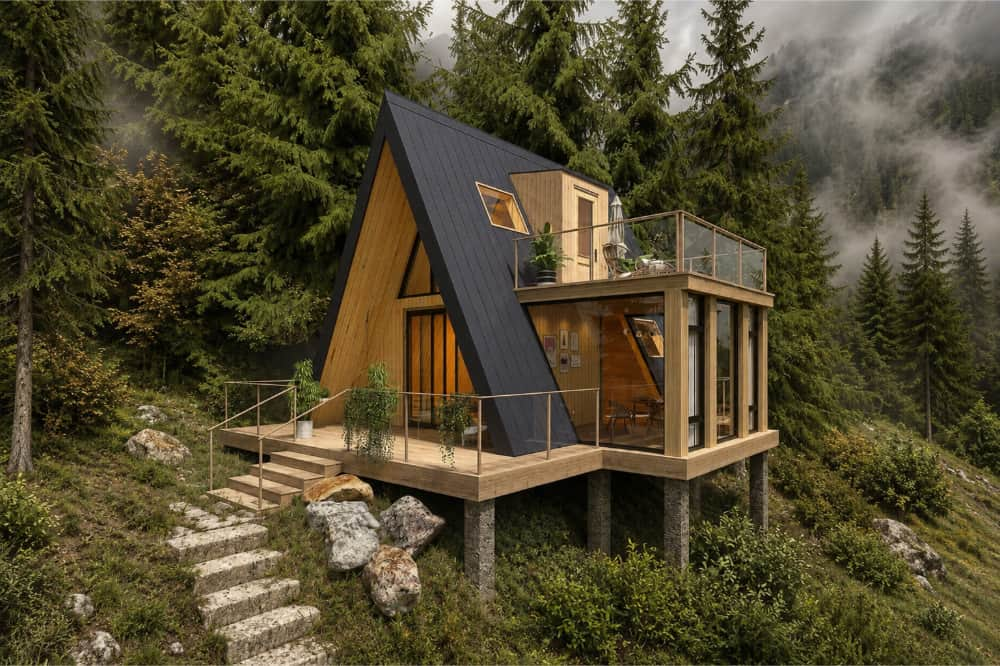
Two prefab cabins with similar appearances can offer very different user experiences and maintenance costs, with the difference often lying in the manufacturer’s materials, workmanship, and service. Choosing a reliable partner requires more than comparing prices and renderings. The following five factors will help you determine whether a manufacturer is trustworthy.
1. Verify the Manufacturer’s Background and Real Project Experience
A manufacturer’s experience lies not only in the number of projects completed, but also in its ability to identify and resolve conflicts between design, production, and on-site implementation in advance. Its practical capabilities are reflected in how it addresses the impact of complex geometries on structural connections and waterproofing, balances insulation and transportation requirements when using large glass panels, and balances differentiated design with long-term maintenance in multi-unit projects. Meihua has built a portfolio of 100+ large-scale resort projects and solved numerous waterproofing, insulation, and complex structural challenges in practice, turning project experience into proven design and manufacturing capabilities.
Experience must also match the project type. Expertise in standard accommodation units does not guarantee the ability to deliver complex, non-standard structures, and experience with private cabins does not necessarily mean familiarity with the procurement of multiple cabin types or the operational needs of resorts. The right manufacturer should understand your use case and provide a solution that can be manufactured, transported, and installed.
2. Check Material Specifications and Structural Verification Methods
To assess whether a cabin is well built, do not rely solely on claims such as “premium specifications” or “extra-thick” materials; check the steel used for the frame, wall and roof assemblies, insulation thickness, glazing specifications, and waterproofing details. Together, these factors affect the cabin’s comfort, durability, and service life.
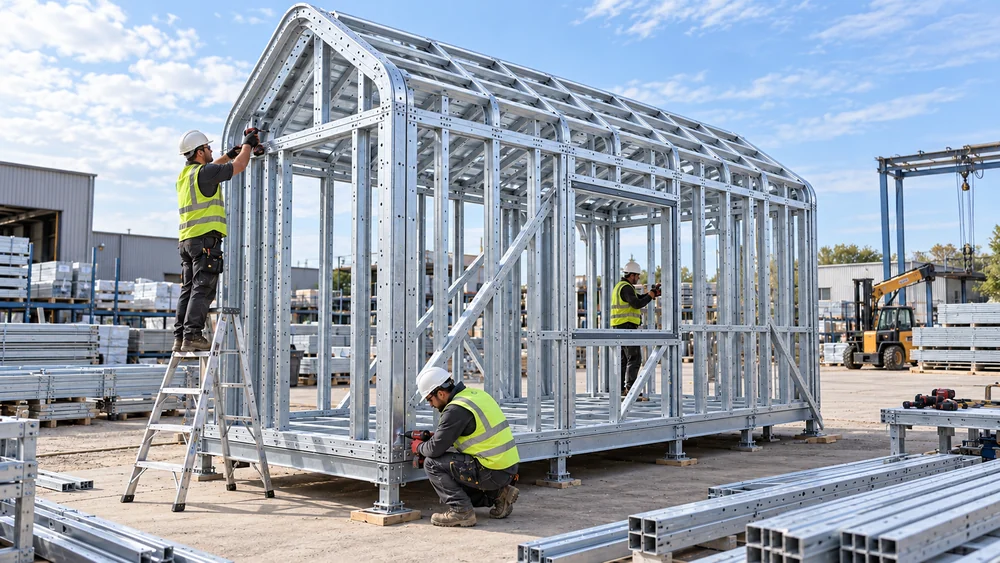
Cabins with complex geometries or a high degree of customization also require verification of the structural design and assembly. Structural analysis is used to assess load-bearing performance, while factory trial assembly allows component fit, door and window installation, and drainage details to be checked before shipment, helping identify connection or water leakage risks early.
3. Assess Design Customization Capabilities and Fit with Your Requirements
When choosing a manufacturer, consider not only the range of designs available, but also whether it can provide a suitable custom solution based on your needs. Valuable customization should balance appearance, functionality, and user experience, rather than simply changing the form or adding features.
A reliable manufacturer will also optimize insulation and glazing specifications, entrance and deck layouts, module dimensions, and installation methods based on the project location, site area, climate, and transportation conditions, ensuring that the design meets your expectations and suits the actual site conditions.
Where local building permits or applicable regulations are involved, you should also confirm whether the manufacturer can provide the necessary technical documentation to assist the project team with the relevant review process.
4. Review Pricing Transparency and Delivery Commitments
Differences in the prices of cabins with similar appearances may stem from their specifications and scope of delivery. The manufacturer should clearly state what the quotation includes and which items incur additional charges, helping you understand the overall budget and reduce subsequent additional costs.
The production lead time should be realistically assessed based on the level of customization, factory scheduling, and transportation conditions. Manufacturers should not promise unrealistic delivery dates to win orders and should communicate in advance any factors that may affect the schedule.
When comparing quotations, ensure that the specifications and scope of delivery are comparable. Clear pricing, reasonable payment milestones, realistic lead times, and well-defined contract terms are more likely to support smooth project execution than a low price alone.
5. Confirm Warranty Terms and After-Sales Support
After delivery, issues may still arise with installation coordination, equipment commissioning, and maintenance. You should therefore review the warranty period, coverage, exclusions, and claims process in advance, rather than relying solely on a general promise that a warranty is provided.
The manufacturer should also provide installation guidance and clear communication channels, help identify the cause of any issues, and define responsibilities for manufacturing, transportation, and on-site installation. When components need replacement, the manufacturer should also clarify how replacements will be supplied and handled.
Comprehensive warranty coverage and after-sales support reduce uncertainty in long-term maintenance. For cross-border projects or projects in another region, it is especially important to confirm the relevant terms and how they will be implemented in advance.
Conclusion
When choosing a reliable manufacturer, price should not be the only consideration; you should also assess its project experience, materials and structural verification, customization capabilities, delivery commitments, and after-sales support.
If you’re looking for an experienced manufacturing partner in China, Meihua is here to help.Meihua has more than eight years of experience in prefabricated building manufacturing, specializing in high-quality products and advanced customization. We provide one-stop services from design and production to installation guidance information.